When I Behold: Writing Nature Poetry
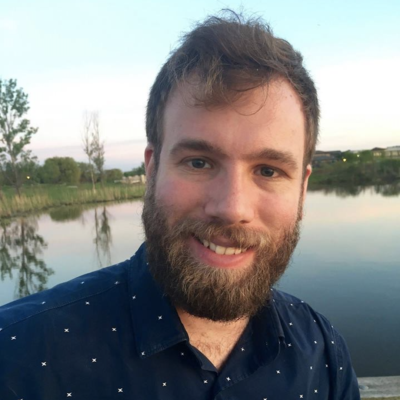
with Sam Buntz
November 18, 2026
Length: 4 weeks
Open to AllText and Live Video
Zoom calls Tuesdays from 8-10:00 PM Eastern.
Original price was: $345.00.$295.00Current price is: $295.00.
Original price was: $345.00.$295.00Current price is: $295.00.Enroll Now
The natural world offers poets beauty, sublimity, strangeness, and even profound ugliness—and each of these can enrich the poems we write. In this course, you’ll learn how to pay closer attention to nature, whether you’re taking a walk in the woods, visiting a local park, or noticing the small natural moments available in daily life, and how to transform your observations into vibrant, publishable poems.
Each class will introduce new poetic forms and ways of relating to nature. We’ll begin with the tradition of the nature walk and the once-revolutionary idea of meditating on one’s experience of the natural world. From there, we’ll explore how nature affects our emotions, how poets use nature as a set of symbols for human realities, and how we might also encounter nature as something beyond our own feelings. In the final week, we’ll consider the particular value of nature poetry in the modern world, especially in an increasingly technological age.
Together, we’ll read some extraordinary nature poets, including Issa, Basho, William Wordsworth, Seamus Heaney, Wislawa Szymborska, Emily Dickinson, Theodore Roethke, and Mary Oliver. We’ll consider how these poets can inspire us, change our relationship with the natural world, and help us draw on the freshness of our own experiences.
Each week, you’ll submit a poem based on your own experience of nature, whether that comes from a walk in a park, a hike in a national forest, or a moment of attention close to home. You’ll aim to produce 1–2 poems for each class session, and I’ll give you personalized feedback on your work with an eye toward preparing it for publication.
You’re also warmly welcomed to take photos and share any interesting natural moments with the class. Each Zoom session will include a brief talk on the poems of the week, discussion of the week’s poems, and the opportunity to share your own work in the workshop portion of the lesson. Along the way, you’ll be encouraged to dive into nature itself, sharpening both your attention to the world around you and your ability to transform that attention into poetry.
Who This Course is For
Poets of all experience levels are welcome! Whether you’re a crunchy hippie feeling the earth through your toes, a sailor piloting a schooner around Nantucket, or just a person taking a walk in the park, this class will give you opportunities to explore your own relationship with nature through poetic craft.
Direction and Feedback
In addition to the feedback you will receive from me and other students during the workshop part of the session, you will also receive written feedback from me on each of your submitted poems.
Zoom Schedule
We will meet each week on Zoom on Tuesdays from 8:00-10:00 PM Eastern time.
Learning and Writing Goals
Learning Goals
In this course, you will:
- You will learn new ways of paying attention to nature and of observing nature’s impact on your own emotions. You will use these methods to deepen your poetic practice.
- You will gain a deeper comprehension of how poets throughout history and across cultures approached nature and how it influenced their work.
- You will change your own relationship to nature and writing by taking walks, gathering photos, etc.
Writing Goals
In this course, you will:
- Write four poems, one for each class session, each one increasingly publication-worthy.
- Apply insights from great poets and from nature to enhance your own writing.
- Write without any prior conceptions clouding your vision, seeing the world with poetic clarity.
- Develop a deeper sensitivity to the poetry inherent in nature and let it inform your writing.
Weekly Syllabus
Week 1. Taking a Walk in the Woods
For this class, we’ll talk about how we personally experience nature and how the experience of nature has changed over time. Surprisingly, the kind of nature poem we’re used to—where you just sit down and meditate on your experience of nature or write about a walk or hike you took—is a relatively recent invention in the English language. We’ll check out some poems by William Wordsworth and John Keats, which demonstrate this once new and revolutionary way of looking at nature, which is still with us today.
Assignment 1. Do this before the first class: take a walk in the woods or in whatever portion of nature is most available to you (a park works fine too). Carefully note all the natural phenomena around you and your reactions to them in your writer’s notebook. Then, use these details to write a poem.
Week 2. Nature and Our Emotions
For this class, we’ll read poems that talk about how nature affects our emotions, putting our experience of the natural world into human terms. We’ll consider whether we’re imposing our own feelings on something that lies ultimately beyond them or whether there is a deeper connection between our own moods and the moods of nature. We’ll also talk about using nature as a set of symbols for human realities (and whether that’s really what nature is).
Assignment 2. Go into nature and observe some specific object. It doesn’t matter what it is. Try to be completely still and not think. Then, when you’re completely still, notice the feelings that the object calls up in you. Write a poem based on these feelings.
Week 3. Nature Beyond Our Emotions
For this class, we’ll explore the idea of contacting nature as a realm transcending human emotions. We’ll explore poetry by a diverse range of figures, from the Portuguese poet, Fernando Pessoa, to classical Japanese haiku poets to Theodore Roethke and Robert Frost. We’ll compare their poems to the more emotionally-oriented ones we read for the last class and talk about how we can use both approaches in our own writing.
Assignment 3. Go into nature and observe some specific object, as for the previous assignment. Again, it doesn’t matter what it is. Try to be completely still and not think. Then, try to write a poem based purely on what the object is, leaving your own feelings aside.
Week 4. Nature Poetry in the Modern World
For this class, we’ll consider contemporary poems about nature. We’ll discuss the poets we feel most connected to and who seem to best reflect our own experience of the natural world. We’ll also talk about the specific value that connecting with nature seems to have in an increasingly technological world.
Assignment 4. Go for another walk in nature, as for the first class. Draw on all you’ve learned thus far to write a poem based on your walk.
Original price was: $345.00.$295.00Current price is: $295.00.Enroll Now
Student Feedback for Sam Buntz:
It has been decades since I’ve engaged in this sort of formal class discussion and I am really enjoying it. I’ve been reading and studying poetry seriously since 1973 so it’s really fun to have the chance to explore ideas in a structured way like this. I’m getting everything I had hoped for in the course—some fresh energy and insights to fuel my work, and good camaraderie with fellow poets. Mac Gander
I feel you have been genetically engineered to be a teacher of poetry. I have enjoyed your class and your analyses a great deal and look forward to the next opportunity to take a class from you! Hal Taylor
November 18, 2026
Length: 4 weeks
Open to AllText and Live Video
Zoom calls Tuesdays from 8-10:00 PM Eastern.
Original price was: $345.00.$295.00Current price is: $295.00.
Original price was: $345.00.$295.00Current price is: $295.00.Enroll Now