Nurse Logs: Growing Your Creative Obsessions from Poem to Poem
with Megan Alpert
August 19, 2026
Length: 8 weeks
Open to AllText and Live Video
Zoom calls Thursdays from 6-7:00 PM Eastern.
Original price was: $545.00.$465.00Current price is: $465.00.
Do you have a creative obsession: something you can’t stop thinking about, a core aspect of life that baffles and fascinates you? In this course, your chosen theme or line of inquiry becomes the basis for building a body of work.
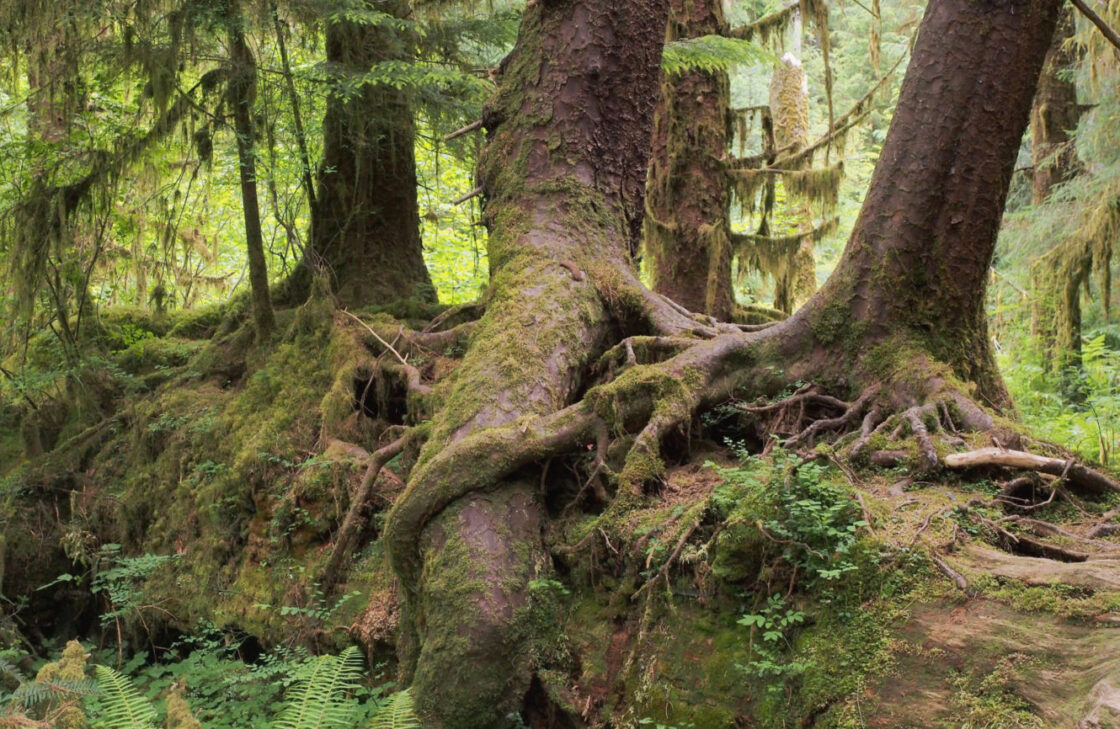
We’ll explore how to shape the raw material of journal entries, rough drafts, and freewrites into completed poems. Like a nurse log, a fallen tree that grows new trees out of its trunk, we’ll grow new poems from old poems and work on expanding your theme so it can sustain a larger project.
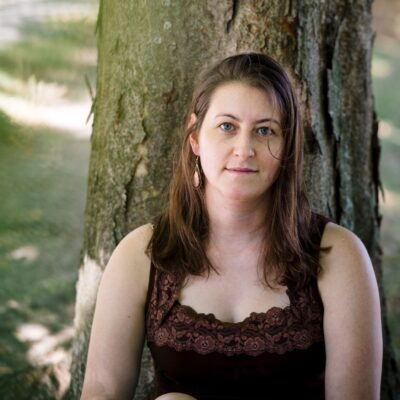
This course starts from the conviction that the poems you need to write are already inside of you—you just need strategies for how to shape them. Throughout our time together, instructor Megan Alpert, author of The Animal at Your Side, will guide you in building out your work around your theme and offer individual feedback that opens, rather than closes, possibilities.
As a class, we’ll also learn how to help each other with newer works. Rather than getting stuck in “I like this/I don’t like this,” you’ll learn to reflect on where a poem is already firing, and get curious about possibilities for shaping it further. You’ll leave the class with strategies for hewing poems out of the notes, drafts, fragments, and obsessions already living in your brain and on the page, as well as 8–10 new poems that can become the foundation for a body of work—a future book section, chapbook, or collection.
We’ll meet once a week to discuss process, read the work of expert poets, and freewrite. Feedback will be shared on the Wet Ink platform, and all posted poems will receive instructor feedback.
Who This Course is For
Beginner to advanced writers who want to build out a poetic project. Students should already be active readers and writers of poetry, but their publication history can span from no published works to already having published books.
Feedback and Direction
You will receive feedback from me and your coursemates on 1-2 poems per week. Since this is a generative course, you can expect to receive feedback that is tailored to new work. Feedback will be aimed at drawing out the strengths of new poems rather than harsh critiques.
Zoom Schedule
We will meet on Zoom on Thursdays from 6:00-7:00 PM Eastern time.
Learning and Writing Goals
Learning Goals
In this course, you will learn to:
- Build a body of poems around a chosen theme, obsession, question, or line of inquiry.
- Develop scraps, journal entries, freewrites, and rough drafts into more finished poems.
- Use reading and research to place your work in conversation with a larger cultural, literary, or artistic framework.
- Give and receive feedback on new poems in ways that open possibilities rather than shut them down.
Writing Goals
In this course, you will:
- Draft 8–10 poems that can become part of a larger body of work, such as a book section, chapbook, or collection.
- Generate a substantial amount of “scrap” writing—the notes, fragments, images, and exploratory material that can be shaped into future poems.
- Use reading and research to deepen your understanding of your chosen theme and sustain the project as it develops.
Weekly Syllabus
Week One: Getting Started with Your Theme and Process
In our first class, we’ll about the process we’ll be using throughout the class of doing free writes/journal entries/draft poems, which will be the “nurse logs” we’ll use to grow poems throughout the class.
Assignment: The homework assignment will jump start this process and make a plan for the reading that will feed your nurse logs.
Week 2: The Mythic
Using mythic styles can help us go deep into our theme without giving easy answers.
Assignment: We’ll write (or rewrite) our own myths, focusing on endings that open possibilities for meaning.
Week 3: Using Objects
We’ll refine our nurse logs process to grow your body of work in conversation with other work, and discuss how to use objects in our poems.
Assignment: You’ll write poems in which objects transform or respond to/change the speaker.
Week 4: Responding to Research
This week we’ll explore poems that directly engage with other texts. We’ll discuss our research so far, possibilities for responding to research, the homework reading, and draft poems responding to our research.
Assignment: Shape your golden shovel or argument/response poem. Post to Wet Ink. Comment on 1-2 classmate’s poems. Continue to read/freewrite. Reading: Ross Gay “Bringing the Shovel Down” and “Again.” Bring notebook to class.
Week 5: Growing Poems from Poems/Collaging
We’ll discuss taking care of ourselves when writing about difficult topics. Then we’ll discuss the reading and how we can use past poems or scraps cut from poems to grow new poems. We’ll use class time to attempt a collage poem or cutting away the bottom of a poem to create a new ending.
Assignment: Shape your in-class collage or alternate ending poem and post it to Wet Ink. Comment on 1-2 classmates’ poems. Go through your notebooks and find 1-2 lines or chunks of lines that you like but aren’t finished yet. Bring them to class. Read “Duplex” by Jericho Brown and “Sestina Written as Though Genesis” by Kayleb Rae Candrilli.
Class 6: Ambitious Forms
We will discuss using the scraps we brought to class to venture into ambitious forms like Duplex or Sestina, as well as further strategies for collaging/complicating already-written poems.
Assignment: You’ll choose the form that best matches your topic/intentions and write at least one poem in that form.
Class 7: Inventing Forms and Creating Series
This week we’ll look at examples of invented forms and talk about how form can drive meaning. We’ll also look at series poems.
Assignment: You’ll take a stab at inventing your own form and/or creating a series.
Class 8: Persona Poems and Sustaining the Work
This class will give you some tools to keep going as you continue to develop your body of work. We’ll look at revision strategies and sustaining connections with classmates. We’ll also talk about persona poems.
Assignment: You’ll revise one poem you created over the course of the workshop and/or draft a persona poem.
Student Feedback for Megan Alpert:
August 19, 2026
Length: 8 weeks
Open to AllText and Live Video
Zoom calls Thursdays from 6-7:00 PM Eastern.
Original price was: $545.00.$465.00Current price is: $465.00.